


Treatment of Perinatal Mood and Anxiety Disorders
Did you know there are several ways moms and families can get help if they find themselves struggling during or after pregnancy? Sometimes just recognizing that there is a problem can be very troubling for families. But studies show 1 in 7 moms and 1 in 10 dads experience either depression or anxiety after bringing home their baby. So why is it so hard for us to admit when we may need help? Why do we try so hard to suppress our thoughts and feelings?
I know for me I did not want to be judged, and I did not want people to think any less of me. I had a great husband, perfect daughter and a great support system, so why was I feeling so terrible. For me it took weeks to seek medical help, but once I did things started to finally improve. The intrusive thoughts and fearful images started to get less and less. My anxiety finally seemed under control and I was able to laugh and smile again. I am so thankful I got help when I did. It wasn't easy. I had days where my depression was so bad that getting out bed, getting dressed, and going to therapy to talk about my emotions seemed near impossible. But, I knew if I did not go things would just get worse and worse.
My wish for other moms who are struggling is that they to feel comfortable speaking up and talking about their emotions. The sooner we can identify moms who are having struggling, the sooner we can help get their lives back on track. Untreated postpartum depression not only affects the mom but also her baby and family. Postpartum depression doesn’t just all of a sudden go away, but with help it is 100% treatable.
A treatment method I want to talk about today are support groups.
So…What is a support group?
Support groups are just one method of treatment that is offered to struggling moms and families. The groups are facilitated by trained professionals who have specific knowledge around maternal mental health. The groups take place the same time each week and in the same location. The Tree of Hope support group in Waterville & Bangor Maine is free for all group members.
The groups typically cover personal stories, coping skill, personal challenges, and success stories.
How do Support Groups Help?
Support groups are helpful for a number of different reasons. They can help moms who are struggling with not only depression but also anxiety, OCD (intrusive thoughts), PTSD, Bipolar, and other mood disorders. Support groups offer encouragement, and ideas in a safe non judgmental environment. Often times groups help women feel empowered, accepted, and understood. Most of all groups help woman realize that they are not alone, and that others have similar stories.
Benefits of Support Groups
There are several benefits of participating in support groups including:
Regular and Ongoing Treatment Options
Because support groups take place on a weekly basis they are beneficial in providing consistent and ongoing therapy for those affected. It also helps to provide stability and routine in life.
Access Affordable Treatment
As mentioned previously the Tree of Hope is free to the public. Often times going to see a therapist can be quiet pricey.
Build Social Connectivity
Because people facing depression are likely to isolate themselves, support groups build social connectivity between members which is often otherwise lacking in their lives.
Receive Emotional Validation
Many people suffering from postpartum depression feel terrible guilt and shame about their symptoms. Support groups help break the stigma and offer validation for the feelings, thoughts and emotions being experienced. This helps affected people to further accept their condition and open up to treatment and recovery possibilities.
Participate in a Safe and Non-Judgmental Environment
Suffering in silence with postpartum depression is common. Support groups help to protect members’ identities and provide non-judgemental support that will never be shared with others such as family members, friends or employers of the affected.
“The only story you can share outside of the group is your own” During a Tree of Hope support group we have a set of group guidelines that addresses confidentiality so you can be sure you are in a safe place.
Facilitated by Professional Health Care Providers
All meetings are led and facilitated by professional health care providers. This ensures that accurate and helpful treatment, advice and coping skills are offered by real experts. The facilitators at the Tree of Hope Inland have been trained by Postpartum Support International.
Develop Deeper Understanding of Your Condition
Support groups also help to provide education about postpartum depression so that members can better understand how and why the condition is affecting them.
Learn Healthy Coping Skills
Most importantly, support groups offer practical tools and skills that help members to address and treat their symptoms themselves. During a Tree of Hope group we always start off with a 5-10minute meditation to help ease you mind, and help you become more present. Meditation has been proven to have several benefits which we discuss in group.
Inland Hospital in Waterville Maine, and Eastern Maine Medical Center in Bangor Maine offer a support group for moms and families who are pregnant and postpartum. This group offers families support and most importantly HOPE that things will get better. The group is FREE and babies are welcome to join. To learn more about these group please see the following links.
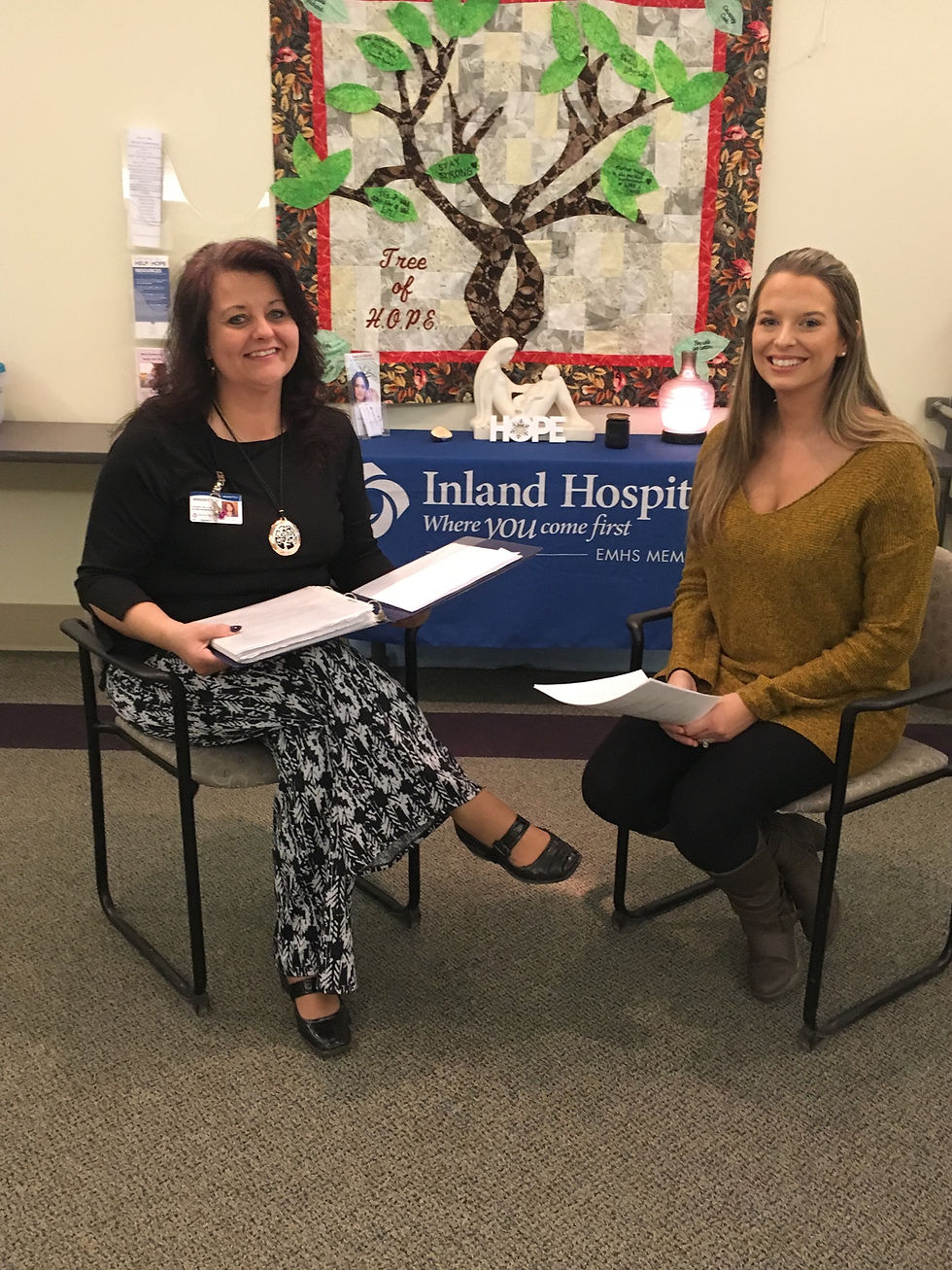
Meet the facilitators of the Waterville group: http://inlandhospital.org/getattachment/About-Our-Organization/Inland-Hospital-Services/Inland-Women-s-Health-Care/Tree-of-HOPE-Postpartum-Support-Group/17-IH-5418-Update_all_Tree_of_Hope_Materials__brochure_1013b_OUT.PDF.aspx;.mp4;.mp3;.flv;;.htc;
WABI Channel 5 news invited me to share my story and talk about these resources offered in our community. Click here to watch. http://www.wabi.tv/content/news/Central-Maine-mom-offers-hope-to-others-dealing-with-postpartum-disorders-484278811.html

Comments